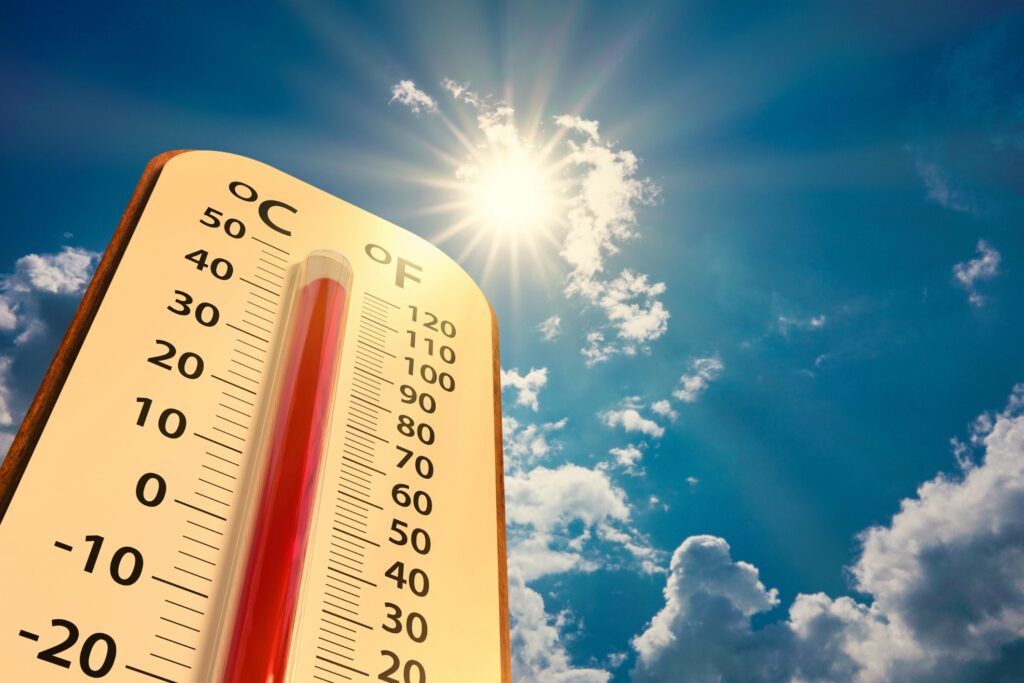
You don’t have to be all that attentive to the landscape to know that, well, nature seems out of kilter.
For one thing, spring was season of fast flowers, where viburnum, columbine and Virginia bluebells, lasted barely a week, if that. It was the summer heat of April that did them in.
And it was the heat that pushed early flowers on iris and roses. Now, the daylilies are blooming and hydranges look voluptuous.
Some people say there are fewer pollinators about, and the vegetables and some other plants, are growing slowly.
Heat and cold afftect growth, pollinators
We can blame Mother Nature.
She can be blamed for being rainy weather, which decreases pollinator activity. And the cool temperatures a few weeks ago — as much as we loved them — the plants went on strike, halted growth and slowed production. Pollinators also had their buzzers quelled.
Halted growth is noticeable on pretty much all veggies, but we always pay more attention to tomatoes and peppers. With the heat coming this week, look for peppers to take off, but tomatoes may still be slower than normal for Indiana.
Make sure to keep plants watered, especially containers and newly planted perennials, trees and shrubs. Annuals in beds also appreciate a good drink on super-hot days. Regular watering of annuals keeps them blooming. Roses also do better when watered regularly.
Birds and bees need water, too
Speaking of watering, don’t forget the birds, which also need water. Keep a saucer or bird bath in a shady spot for the birds and refill it daily to keep it fresh.
It wouldn’t hurt to periodically water shrubs and trees that have been in the ground for a few years, specially those that bloom, such as viburnum, dogwoods and hydrangeas, especially if the hot weather with little or no rain continues. It was already a stressful spring for many plants in the Indiana landscape because of the crazy Indiana weather — hot, cold, hot, freezing, hot, cool, warm. You know what I mean.